
What Texas Can Learn from Florida’s Response to the Champlain Towers Collapse
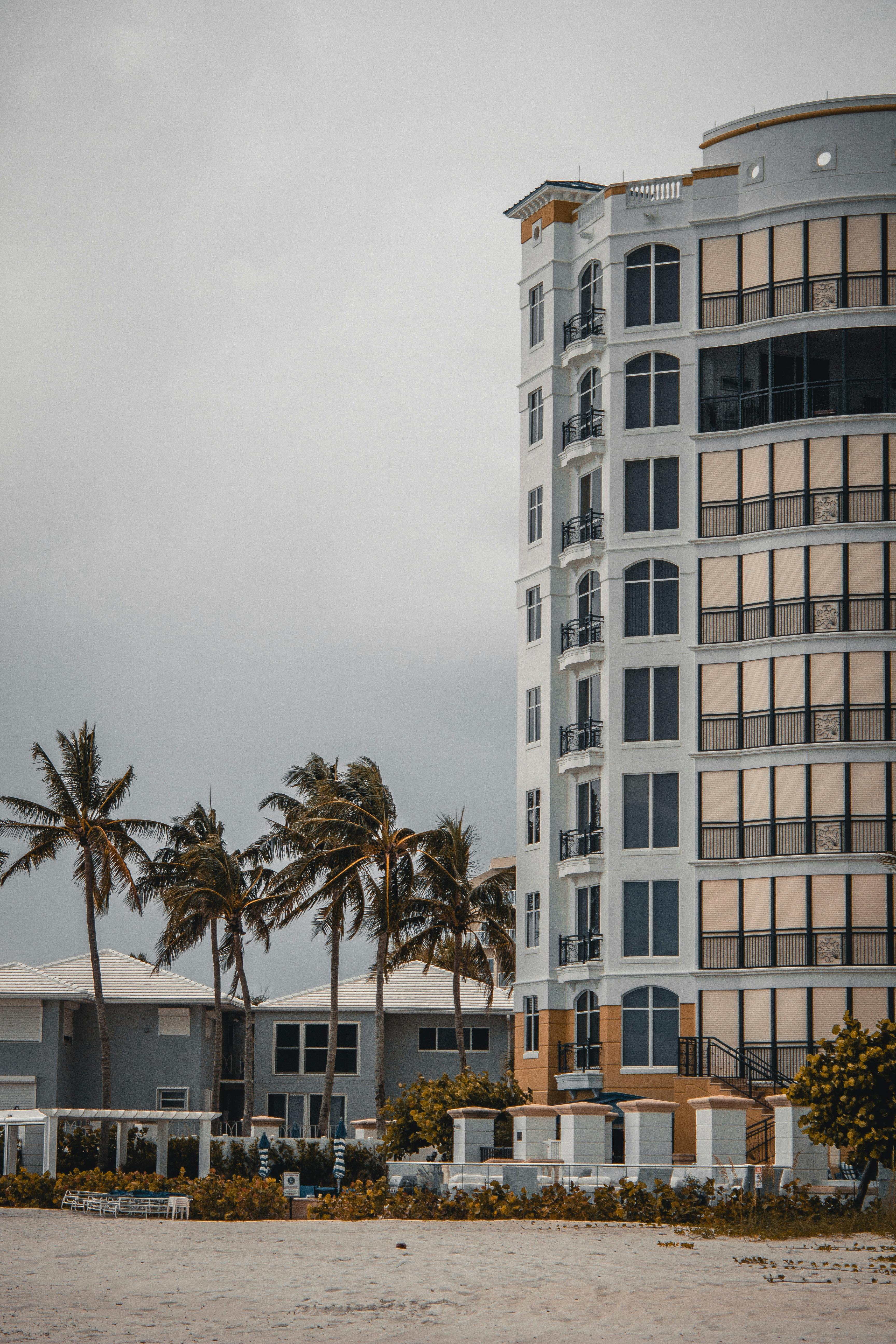
In June 2021, a little after 1 am, the Champlain Towers South, a 12-story beachfront condominium in Surfside, Florida, collapsed without any warning, killing 98 people in one of the deadliest building failures in U.S. history. This tragedy was not caused by an external force such as a hurricane, tsunami, or fire, but by structural deterioration that had gone unaddressed for a long period of time.
The government of Florida acted swiftly, passing some of the most significant condo safety reforms in the nation. But what about Texas?
Though Texas is no stranger to high-rise buildings, coastal erosion, natural disasters, and aging infrastructure, it has yet to enact any similar reforms. Here we are going to discuss and explore what Florida changed, why these changes matter, and how Texas could, and should, learn from them.
Florida’s Legal Response: Stronger, Stricter, Smarter
After the condominium’s collapse, Florida lawmakers enacted Senate Bill 4-D in 2022 and Senate Bill 154 in 2023, which overhauled condominium safety requirements on a state level.. These laws focus heavily on inspection mandates, reserve funding, and condominium accountability. We are going to talk about mandatory structural inspections, the Structural Integrity Reserve Study (SIRS), and the accountability the boards now have.
Key Elements of Florida’s Post Champlain Towers South Reforms
The state of Florida’s 2 bills, 4-D and 154, had several key takeaways. One of these was the mandatory structural inspections, in which any condominium buildings three stories or higher are now required to undergo structural “milestone inspections” once they reach 30 years of age, or 25 years if located within 3 miles of the coastline. Inspections are also now required every 10 years after the first milestone. If any inspections encounter visual structural deterioration, then a more in-depth inspection is required by these new laws.
Another progressive step from the 2 bills is all condominiums must now conduct a SIRS every 10 years. A reserve study is a long-term financial planning tool for Condominium Owner Associations (COA) and Homeowner Associations (HOA) boards to assess the association’s physical assets as well as their financial standing to identify how much funding will be needed for future replacement or repairs of said assets. Using a reserve study is to either eliminate or reduce the need for a special assessment when replacements or repairs are needed. These reserve studies take into account roofs, load-bearing walls, foundations, and any waterproofing systems. Now, in Florida, condominiums are prohibited from underfunding these reserves, ensuring money is available for when repairs are needed.
Accountability was also adapted with these new laws. Any and all inspection reports must be shared with and made available to unit owners and local governments. The condominium boards are also now held to a higher fiduciary duty to comply with these new laws. Any failure to act on required repairs may result in legal liability for the board members.
All these changes encourage the creation of a culture of financial preparedness as well as proactive maintenance. This is something many other states, including Texas, have yet to adopt statewide.
Texas: Falling Behind on Building Safety
The State of Texas currently has no statewide mandates for structural milestone inspections tied to building age, location, or natural disaster exposure. It also does not require reserve studies or enforce minimum reserve funding levels.
While laws like Texas House Bill 1455, passed in 2015, do require a pre-lawsuit engineering report and transparency in all defect claims, Texas doesn’t force COAs to conduct regular inspections or have accountability for financially preparing for inevitable repairs.
Why This is a Texas sized Problem
Many of the building codes used to build in coastal and urban Texas over 30 years ago will not meet the standards of today. Many natural disasters, such as hurricanes, flooding, tornadoes, or even the extreme heat of the Texas Sun, can and will weaken building materials faster than owners realize. Without any substantial reserve funds, associations will turn to their only other tool, special assessments. This can lead to many owners who are unable to pay, causing financial hardships or, potentially worse, delaying repairs and causing further damage. The absence of a legal framework, whether within the associations' governing documents or at the state level, leads to reactive and not proactive maintenance, which inevitably leads to disaster.
What Texas Could Learn and Do
Florida's reforms following the tragic collapse of Champlain Towers South provide a solid roadmap for Texas to prevent similar disasters. Texas could implement several key measures to ensure the safety and long-term viability of its many multi-story condominiums statewide. Not only those along the Gulf Coast as these are particularly vulnerable. The easiest and most important reforms should be the requirement of Structural Milestone Inspections, especially for buildings over 20–30 years old or situated near the Gulf Coast or in the infamous Tornado Alley, where they face increased risk of damage. Furthermore, like Florida's SIRS law, Texas should enforce a Reserve Studies and Minimum Funding, mandating that condo associations conduct studies every 10 years and fund reserves based on expert recommendations to ensure money is readily available for crucial, large-scale structural repairs before conditions become unsafe. Finally, to enhance accountability and informed decision-making, the state must also ensure Transparency for Owners and Buyers, making inspection reports, maintenance histories, and reserve fund statuses easily accessible and available to current and prospective unit owners as well as the local government.
Why Reserve Funds & Maintenance Planning Matter
At the heart of Florida’s reforms—and what Texas lacks—is the legal recognition that well-maintained buildings are a necessity and are, in turn, safe buildings. Without adequate reserves and a proactive board, when something fails, as it will inevitably do, there’s usually no money to fix it. That will lead to dangerous delays, unsafe living conditions, and surprise costs for owners. Special assessments are a burden no matter your financial standing. A large special assessment can force some into foreclosure or prevent repairs altogether. An adequate reserve fund with a reserve study, when properly maintained and followed, can reduce this risk and stabilize associations financially.
Final Word: Don’t Wait for a Collapse, Act
Florida responded to the Champlain Towers South collapse with bold reforms, which may have prevented the disaster had they been implemented earlier. Something the governing body of Texas should look towards and ask themselves if similar changes are not made, what will the outcome be?
