
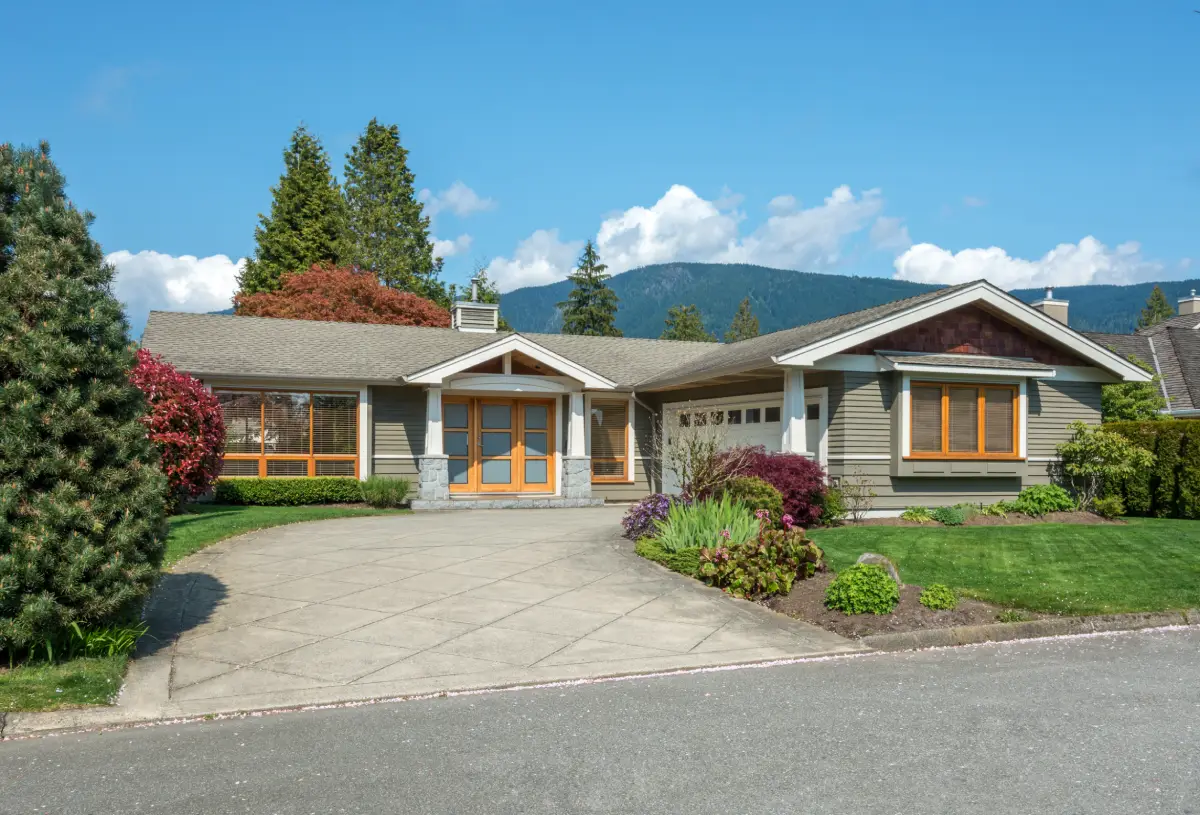
Unexpected disputes often begin with small enforcement decisions. In many Coppell neighborhoods, homeowners expect HOA boards to apply rules consistently while still recognizing situations that require flexibility. Through our community enforcement guidance, we’ve seen how thoughtful leadership helps associations maintain standards without creating unnecessary friction between residents and board members.
Homeowners generally support community policies when they understand the purpose behind them. Problems usually arise when communication feels impersonal or when enforcement appears overly rigid. A balanced approach allows HOA boards to protect neighborhood standards while maintaining trust across the community.
Key Takeaways
- Consistent communication improves resident cooperation during HOA enforcement.
- Practical flexibility helps boards address unique homeowner situations fairly.
- Overly strict enforcement can reduce community participation and trust.
- Organized documentation supports transparency during disputes.
- Coppell communities benefit from resident-focused HOA leadership strategies.
Why Consistency Creates Both Stability and Pressure
Strong HOA leadership depends on predictable enforcement practices. Residents feel more comfortable when they understand how policies are applied across the neighborhood.
Homeowners Expect Equal Standards
Residents notice quickly when violations appear to receive different responses. Even minor inconsistencies can create frustration, especially in communities where homeowners closely monitor neighborhood activity.
When boards communicate clearly and follow organized procedures, residents are less likely to question enforcement decisions. Consistency also supports smoother board operations because expectations are easier to explain and document.
Many communities improve leadership organization by using resources like our board member support, which helps HOA boards maintain clearer enforcement processes throughout the year.
Closer Oversight Can Increase Tension
As enforcement systems become more structured, homeowners often pay greater attention to every decision. Small issues may receive increased scrutiny because residents expect fast and visible action.
This level of attention sometimes leads neighbors to report one another more frequently. Over time, the atmosphere within the community can become more critical instead of cooperative.
According to research showing that 86% of residents in community associations describe their experiences positively or neutrally, resident satisfaction often depends on communication quality and fair governance practices.
Real-Life Situations Do Not Always Match Standard Policies
Policies provide structure, but homeowner circumstances can vary widely from one situation to another. Boards that ignore context often face avoidable disputes.
Financial Difficulties Affect Compliance
Some residents fall behind on maintenance responsibilities or assessments because of temporary financial hardship. Immediate penalties may increase tension instead of solving the problem.
Boards still need to enforce standards, but productive conversations often lead to faster solutions than aggressive enforcement. Homeowners are usually more cooperative when they feel they have an opportunity to communicate before violations escalate.
Communities facing ongoing collection concerns often benefit from reviewing delinquent fee solutions that focus on maintaining neighborhood relationships while improving accountability.
Personality Differences Can Escalate Conflicts
Some disputes become difficult because communication styles clash between residents and board representatives. Short emails or unclear notices may unintentionally create defensiveness.
Boards should focus on facts, timelines, and solutions rather than emotional reactions. Calm communication keeps discussions productive and helps homeowners stay focused on correcting the issue.
Delayed Responses Create Frustration
Residents often become more frustrated when they feel ignored. Unanswered emails or inconsistent follow-ups can damage trust, even when the original violation was relatively minor.
Communities that prioritize timely communication typically resolve issues faster and maintain stronger resident relationships.
Excessive Enforcement Can Reduce Resident Participation
Communities operate more effectively when residents voluntarily follow rules because they understand their value. Over-enforcement can weaken that cooperation.
Homeowners May Feel Constantly Monitored
Frequent notices and penalties sometimes create the impression that the HOA prioritizes punishment over community improvement. Residents who feel targeted may become resistant to future communication.
Boards should evaluate whether every issue requires formal escalation. In some situations, reminders or direct conversations can resolve concerns without increasing frustration.
Communities navigating leadership turnover often experience additional enforcement challenges. Our experience with self-managed board transitions shows how inconsistent past practices can complicate resident expectations during policy enforcement.
Reduced Engagement Weakens Communities
When homeowners feel disconnected from HOA leadership, participation often declines. Fewer residents attend meetings, volunteer for committees, or contribute feedback that could improve operations.
Communities with lower engagement levels sometimes struggle to maintain common areas and long-term planning efforts. HOA boards benefit when residents view enforcement as part of community improvement instead of a constant source of conflict.
Communication Shapes How Residents Respond to Enforcement
Many enforcement problems begin because homeowners do not fully understand the issue, timeline, or purpose behind a policy. Strong communication changes that dynamic significantly.
Clear Notices Reduce Confusion
Residents respond more positively when violation notices explain:
- The specific issue involved
- The related community policy
- Expected correction timelines
- Available next steps
Specific information prevents misunderstandings and reduces repeated follow-up questions.
Respectful Tone Improves Cooperation
Tone matters during every stage of enforcement. Notices that sound abrupt or impersonal can quickly increase tension between residents and HOA leadership.
Industry data discussing 42 active violation cases highlights how large workloads sometimes result in rushed communication. Communities that focus on professionalism and clarity often experience fewer escalated disputes.
Preventive Communication Strengthens Compliance
Residents are more likely to follow policies when expectations are communicated consistently throughout the year. Newsletters, inspection updates, and reminder emails help reduce confusion before violations occur.
Communities also benefit from organized maintenance inspection services, which help identify concerns early and create clearer expectations for homeowners.
Strategic Flexibility Leads to Better Long-Term Outcomes
Effective HOA enforcement combines structure with practical judgment. Flexibility allows boards to handle unique situations fairly while still protecting community standards.
Establish Clear Exception Guidelines
Boards should outline specific circumstances where temporary flexibility may apply. Clear guidelines help prevent accusations of favoritism while giving homeowners reasonable opportunities to resolve issues responsibly.
Maintain Organized Documentation
Written records help boards explain decisions consistently and support transparency during disputes. Detailed documentation also protects the association if enforcement decisions are later questioned.
Communities strengthen enforcement consistency through regular property compliance inspections, which support organized reporting and clearer follow-up procedures.
Support Ongoing Board Education
Board members make stronger decisions when they understand enforcement policies, communication expectations, and documentation practices. Ongoing training helps leadership teams stay organized and confident during difficult situations.
FAQs about HOA Enforcement Tension Points in Coppell, TX
Why do some HOA enforcement disputes become larger community conflicts?
Small violations often grow into larger disputes when communication feels inconsistent or overly aggressive. Residents typically respond better when HOA boards explain expectations clearly, provide reasonable timelines, and maintain respectful conversations throughout the enforcement process.
Can HOA boards remain flexible without weakening community standards?
Yes, flexibility works effectively when associations follow documented procedures and apply policies consistently. Temporary accommodations supported by written guidelines help boards address homeowner situations fairly while still maintaining long-term neighborhood standards and accountability.
How can HOA boards reduce complaints about unfair enforcement?
Boards can reduce complaints by documenting decisions carefully, communicating policies clearly, and applying enforcement procedures consistently across the community. Transparent communication helps residents understand why decisions are made and improves confidence in HOA leadership.
What role does communication play during HOA violation enforcement?
Communication strongly affects how residents respond to enforcement notices. Clear explanations, respectful tone, and timely follow-ups help homeowners cooperate more willingly while reducing confusion, emotional reactions, and unnecessary disputes between residents and board members.
Why should HOA boards conduct regular inspections within the community?
Routine inspections help associations identify concerns early before they become larger problems. Organized inspections also create more consistent enforcement practices, improve documentation accuracy, and support fair treatment for homeowners throughout the community.
Stronger Enforcement Starts With Better Community Leadership
HOA enforcement works best when residents feel informed, respected, and treated fairly throughout the process. In Coppell communities, long-term success depends on balancing consistency with practical decision-making that supports neighborhood relationships instead of damaging them.
At PMI Cross Timbers, we help residential associations strengthen communication, improve enforcement organization, and maintain consistent community standards through professional HOA management support.
Ready to create a more balanced enforcement process for your community? Schedule compliance inspections with PMI Cross Timbers today and support stronger neighborhood cooperation with clearer HOA leadership.
